Optician in Haarlem since 1930
Van der Geest Optiek is een familiebedrijf in de vierde generatie. We nemen de tijd voor je en werken zonder haast. De meeste brillen maken we in onze eigen werkplaats, zodat je weet wie er aan je bril werkt.
Onze winkel zit aan de Generaal Cronjéstraat 86 in Haarlem-Noord. Je bent er met de fiets vanuit het centrum in een paar minuten, er stoppen bussen vlak bij de winkelstraat en met de auto parkeer je het makkelijkst in parkeergarage Cronjé. Meer over de buurt lees je bij opticien in Haarlem-Noord. Voor een oogmeting of lensafspraak maak je een afspraak, zodat we echt de tijd voor je hebben. Voor afpassen, een kleine reparatie of het ophalen van je lenzen kun je ook gewoon binnenlopen.
Oogmeting en oogdrukmeting
Een gediplomeerd opticien meet je ogen voor een bril of contactlenzen. We nemen er de tijd voor en leggen uit wat we meten. Een oogmeting is kosteloos als je bij ons een bril, brillenglazen of contactlenzen koopt, of als blijkt dat een zichtoplossing niet nodig is. Een losse oogmeting kost € 45. Een oogdrukmeting is altijd kosteloos. Hoe vaak je je ogen het best laat meten, lees je bij hoe vaak je een oogmeting nodig hebt.
De oogmeting voor kinderen doen we vanaf ongeveer 9 tot 10 jaar. Zien we een afwijkende waarde, dan verwijzen we je door naar je huisarts. Wat het verschil is tussen ons en een oogarts, lees je bij opticien, optometrist of oogarts. Hoe je je voorbereidt, staat bij voorbereiding op je afspraak.
UV en blauw licht meten
Twijfel je wat je glazen tegenhouden? Neem je bril of zonnebril mee, dan meten we in de winkel kosteloos hoeveel UV-licht en blauw licht de glazen tegenhouden. Meer over bescherming lees je bij coatings en blauwlichtfilter.
Contact lenses
We passen daglenzen, maandlenzen en torische lenzen aan. Bij een lensaanmeting meten we eerst je ogen. Daarna krijg je testlenzen en leren we je hoe je ze indoet, uitdoet en verzorgt. Na 1 à 2 weken volgt een lenscontrole, en zo nodig nog een, tot de lenzen goed zitten. Een lenscontrole is altijd op afspraak.
Koop je je lenzen bij ons, dan zijn de controles kosteloos. Nabestellen kan telefonisch, per mail, in de winkel of met thuisbezorging. Meer lees je bij contactlenzen.
Brillen, zonnebrillen en brillenglazen
In de winkel vind je monturen van exclusieve merken die je niet overal ziet. We helpen je ook aan een zonnebril op sterkte, een kinderbril, een sportbril, een beeldschermbril of een leesbril op maat.
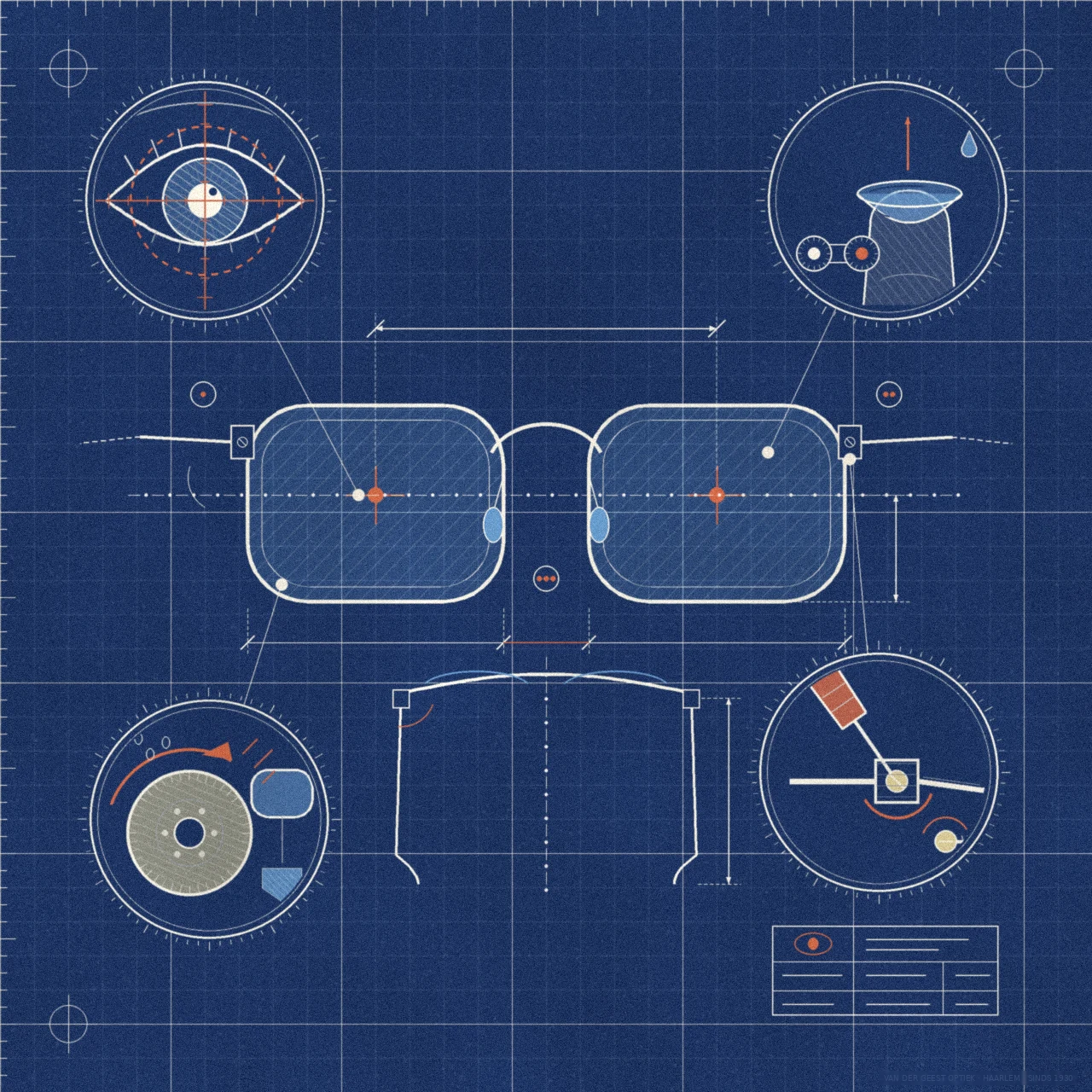
Na de oogmeting adviseren we welke brillenglazen bij jou passen. Met een digitale meetzuil van Nikon meten we precies waar de glazen voor je ogen moeten staan. De meeste glazen slijpen we daarna in onze eigen slijperij. Op nieuwe monturen en brillenglazen krijg je 2 jaar garantie op materiaal- en fabricagefouten, zie artikel 12 van onze algemene voorwaarden.
Advies bij het kiezen
Twijfel je welke bril bij je past? We denken met je mee over de vorm van je gezicht, je werk en je hobby’s. Tips vind je bij welke bril past bij je gezichtsvorm en wat een bril kost. Hoe een afspraak bij ons verloopt, lees je bij je bezoek.
Bril afpassen en repareren
Zit je bril niet lekker of staat hij scheef, dan passen we hem af. Kleine reparaties, zoals een schroefje vastzetten of nieuwe neuspads, doen we meestal direct. Is je bril bij ons gekocht, dan is dat altijd kosteloos. Bij een bril van elders doen we het meestal ook kosteloos, in overleg en voor eigen risico.
Bij een grotere reparatie bespreken we de kosten altijd vooraf. Een gebroken acetaten montuur kunnen we soms zelf lassen in onze werkplaats. Metalen monturen laten we solderen of (laser)lassen door een vakspecialist. Meer lees je bij bril repareren.
Je bril zelf schoonmaken
Zo maak je je glazen schoon zonder krassen:
- spoel je bril eerst af onder koud of lauw stromend water, nooit onder heet water, zodat stof en zand verdwijnen; die kunnen anders krassen veroorzaken;
- was de glazen daarna met je natte handen en een beetje milde handzeep (geen agressieve of citrushoudende zeep), spoel ze goed na en droog je bril met een schone, 100% katoenen doek, zoals een schone theedoek;
- gebruik je liever een brillenspray, kies dan een spray zonder alcohol; alcohol kan de coating aantasten. Bij ons is een geschikte brillenspray verkrijgbaar;
- onderweg geen water bij de hand? Blaas eerst stof en zand weg en verwijder een vingerafdruk daarna met een droog microvezeldoekje;
- gebruik nooit afwasmiddel, glasreiniger, alcohol of andere agressieve middelen, en ook geen papier, tissues of natte schoonmaakdoekjes: papier bevat houtvezels die krassen kunnen veroorzaken;
- leg je bril nooit op de glazen, bewaar hem in een brillenkoker en houd hem uit de buurt van hitte, zoals een warm autodashboard, een hete oven of een zonnige vensterbank. Waarom, lees je bij hitte en craquelé.
Meer tips lees je bij bril schoonmaken.
Tarieven en veelgestelde vragen
Alle prijzen vind je op onze pagina met tarieven. Heb je nog een vraag? Kijk dan bij de veelgestelde vragen.
Kom je langs? Je vindt ons aan de Generaal Cronjéstraat 86 in Haarlem. Bel ons op 023 5254 131 of maak een afspraak via de online agenda op onze contactpagina.
Aan de informatie op deze pagina en aan kennelijke vergissingen of typefouten kunnen geen rechten worden ontleend.