Here's how an eye exam works in Haarlem
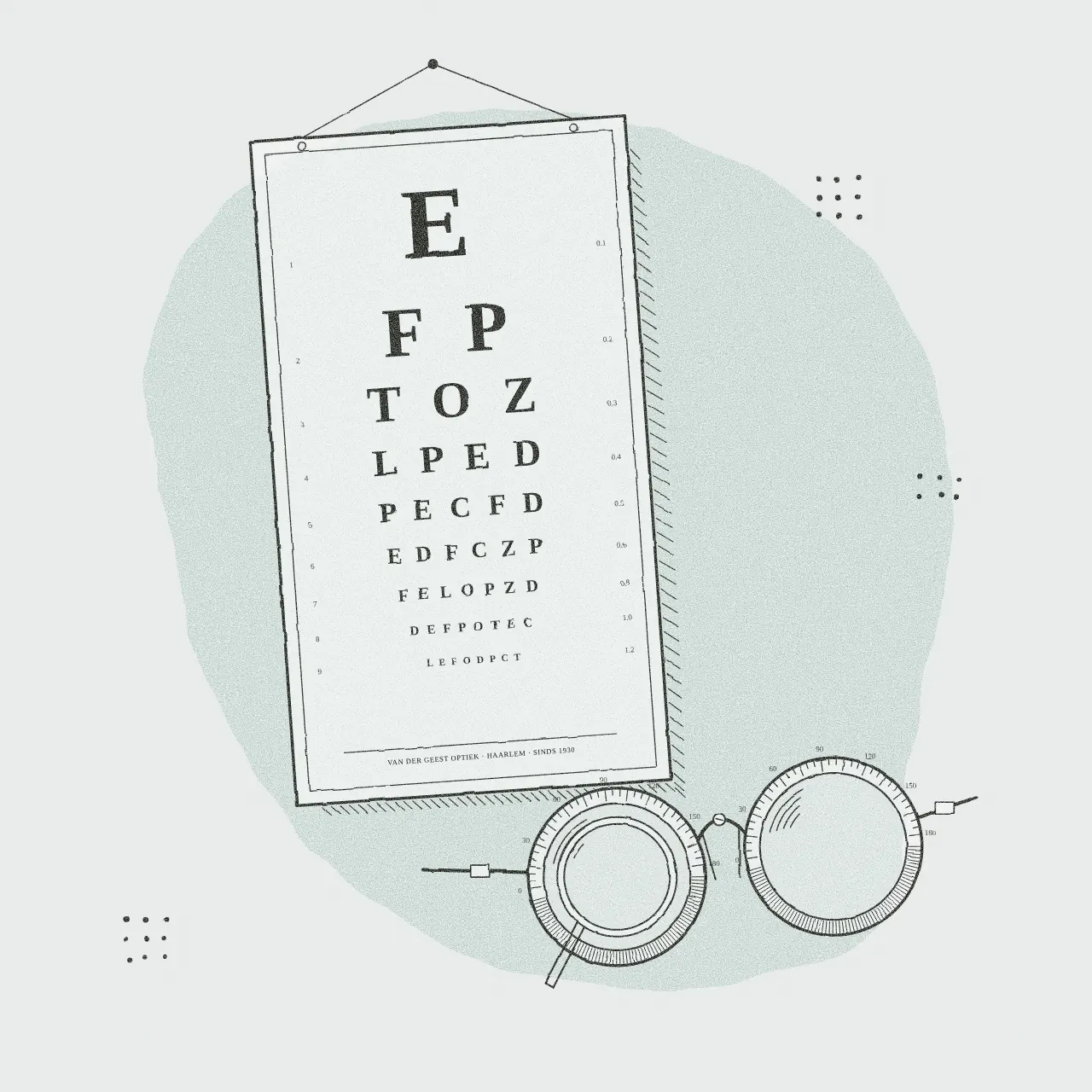
At Van der Geest Optiek, a certified optician will perform your eye exam in Haarlem. We take a step-by-step approach so that we not only determine your prescription but also understand how you use your eyes on a daily basis. An eye exam typically consists of the following steps:
- Consultation: We’ll start with a brief conversation about your symptoms, your work, your hobbies, and your current glasses. What would you like to see more clearly in the future?
- Automatic measurement: An autorefractor gives us an initial estimate of your prescription within a minute.
- Determining your prescription: Next, we’ll accurately measure your prescription, one eye at a time. You’ll watch along and tell us which one is the sharpest. This is called subjective refraction.
- Eye Coordination: We use binocular tests to check whether your eyes work well together. This is important for clear and relaxed vision.
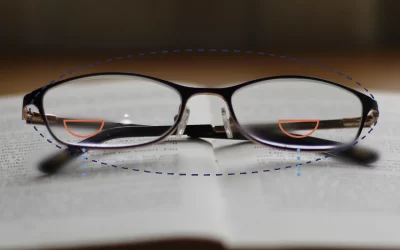
- Reading and intermediate distance: When necessary, we’ll also determine your reading prescription and the prescription for your computer screen. This is especially helpful if you wear multifocal glasses or computer glasses. Is reading becoming more difficult after age 40? If so, it’s often due to presbyopia.
Finally, we'll discuss the results with you in plain language. That way, you'll know exactly what your prescription means and which lenses are right for you.
Intraocular Pressure and Prisms: When Should We Measure More?
When necessary, we also measure your intraocular pressure. This is a quick procedure and serves as an additional check alongside the vision test, since elevated intraocular pressure can be a sign of conditions such as glaucoma. We do not make a diagnosis at this stage. If we detect an abnormal reading, we will refer you to your primary care physician, who will determine whether further evaluation by an ophthalmologist is necessary.
Sometimes the eyes need extra help to work together properly, for example, in cases of fixation disparity. This can be corrected with a prism in your eyeglass lenses, which you’ll usually receive with a prescription from an ophthalmologist or orthoptist. Be sure to bring that prescription with you to your appointment. We’ll then perform a refraction check: we’ll measure your prescription again, taking the prescribed prism into account. This ensures that the prescription and prism are precisely aligned in your new lenses.
What should you bring to your eye exam?
The more information we have, the better we can help you. So please bring as much of the following as possible:
- your current pair(s) of glasses, including your reading glasses
- prescription sunglasses
- a prescription from your ophthalmologist or orthoptist, if you have one
- invoices or receipts from your previous optician, listing the lenses and prescriptions you received at that time
Do you wear contact lenses? If so, wear your glasses instead of your lenses for 12 hours before your eye exam, because lenses can temporarily affect your cornea and, as a result, the results of the exam. Also read about how to prepare for your eye exam. Furthermore, your eyes don’t perform the same way all day long. Are you very tired, or have you just spent hours looking at a screen? Feel free to let us know.
Costs, Duration, and What an Eye Exam Is Not
Are you buying glasses, eyeglass lenses, or contact lenses from us? If so, your eye exam in Haarlem is free of charge. This also applies if it turns out that you don’t need a vision solution. A standalone eye exam costs €45. You can find a complete list of our rates on our pricing page. For contact lenses, the process works a little differently: the eye exam is included in the lens fitting.
Plan on 30 to 45 minutes. The exact duration depends on your age, your eyes, and the tests required; for example, an eye pressure test or a prism test takes a little longer. We recommend having your eyes checked about every two years, and we’ll be happy to send you a reminder after two years. If you notice earlier that your vision isn’t as sharp, or if you get headaches more quickly when reading, feel free to stop by sooner.
An eye exam at the optician’s is intended to determine your prescription for glasses or contact lenses, and is therefore not a medical eye examination. At this time, we do not have an ophthalmologist or a college-trained optometrist on staff. If you have eye pain, a red eye, sudden loss of vision, flashes of light, or a sudden increase in floaters, please contact your primary care physician immediately. For children, we perform the eye exam ourselves starting around ages 9 to 10; if your child is younger, the exam must be done by a family doctor or an ophthalmologist.
Frequently Asked Questions About Eye Exams
If you purchase glasses, eyeglass lenses, or contact lenses from us—or if it turns out that you don’t need a vision solution—the eye exam is free. A standalone eye exam costs €45.
Allow 30 to 45 minutes. It depends on your age, your eyes, and the tests that are needed, such as an eye pressure test or a prism test.
We recommend an eye exam about every two years. If you notice that your vision is becoming less clear sooner than that, or if you’re having trouble reading or driving, feel free to come in sooner.
Bring your current pair(s) of glasses, your prescription sunglasses, any prescription from your ophthalmologist or orthoptist, and receipts from your previous optician. Do you wear contact lenses? If so, wear your glasses for 12 hours beforehand.
We perform eye exams for children starting around ages 9 to 10. Younger children are examined by their family doctor or an ophthalmologist. With a prescription from the ophthalmologist, we make glasses for each child.
The easiest way is to use the online calendar on our contact page. You can also call 023 5254 131 or stop by our store at 86 Generaal Cronjéstraat in Haarlem.
Time for a new eye exam? Easily schedule your eye exam in Haarlem using the online calendar on our contact page, call us at 023 5254 131, or stop by our location at Generaal Cronjéstraat 86 in Haarlem. We’re happy to take the time to assist you. You can also find answers to many questions in our FAQ section.
Prices are approximate, include VAT, and are valid as of October 14, 2026. No rights may be derived from these prices, the information on this page, or any apparent errors or typos. The information is general in nature and is not a substitute for medical advice. Are you experiencing eye problems? If so, please contact your primary care physician.