What is a coating on eyeglass lenses?
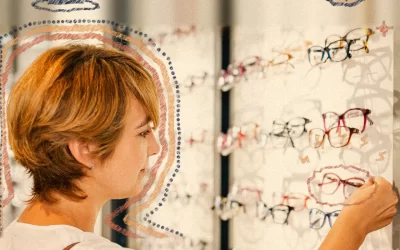
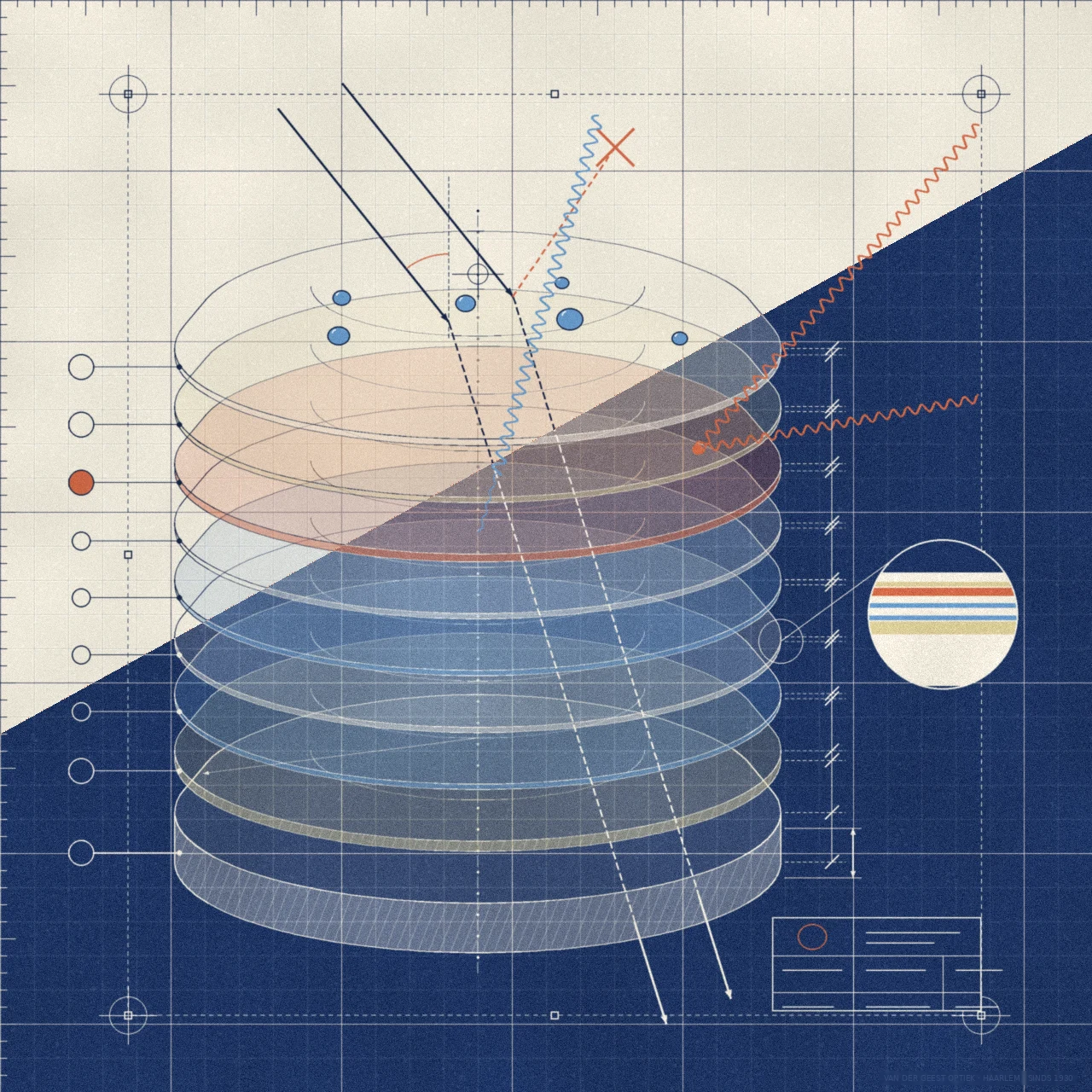
A coating on eyeglass lenses is a thin layer applied to the lens. You can barely see it, but you’ll definitely notice it: a coating can reduce glare, better protect your lenses from scratches, or filter out certain types of light. Some features, such as photochromic lenses or tinted lenses, aren’t part of a coating but are built into the lens itself. For simplicity’s sake, we’ll refer to them all as “coatings” on this page.
The type of coating you need varies from person to person. It depends on your prescription, your job, your hobbies, and how often you’re outdoors. Good to know: You choose a coating when you have your lenses made. It’s not possible to apply a coating afterward, nor is it possible to remove a peeling coating or polish a scratch out of the lens. In that case, new lenses are the only solution.
Anti-glare and blue light filter
Anti-reflective coating is the type we most often recommend. Lenses without an anti-reflective coating reflect light, causing you to see glare and making it harder for others to see your eyes clearly. With an anti-reflective coating, more light passes through the lenses, so you see more clearly and experience less glare—for example, from lights or headlights in traffic. A basic anti-reflective coating reduces reflections and provides a clearer view. A higher-quality anti-reflective coating is also more scratch-resistant and repels dirt and water, so your lenses stay looking good longer and are easier to clean. That’s why we recommend at least a basic anti-reflective coating for virtually every pair of glasses.
Screens, LED lights, and even the sun emit blue light. A blue light filter is a coating that blocks some of that blue-violet light; you can often recognize it by a light blue or purple sheen on the glass. We want to be honest about this. Some people find that it makes looking at a screen more comfortable, but a major Cochrane review from 2023 found no clear evidence that a blue light filter reduces eye strain caused by screen use. Whether it protects your eyes in the long term has not been proven. If you suffer from eye strain or dry eyes, taking breaks and consciously blinking often help more; read more about this on our page about dry eyes. Would you still like to try a blue light filter? Then we’ll discuss together whether it’s right for you. You can read more on our page about the blue light filter.
UV protection, photochromic lenses, and sunglasses
You can’t see UV radiation, but it’s still there—even on a cloudy or rainy day. Prolonged exposure to high levels of UV light isn’t good for your eyes, so a good UV filter in your lenses helps protect your eyes a little bit every day. Most of our lenses have a UV filter. Whether your lenses have one depends on the material and type of lens; we’ll tell you what’s included with each pair.
If you spend a lot of time outdoors, photochromic lenses are a handy addition. They automatically darken outdoors when exposed to UV light and clear up again indoors, so you don’t have to keep switching glasses. Behind a car’s windshield, however, most photochromic lenses barely darken at all, because the windshield blocks a large portion of the UV light. For driving in the sun, prescription sunglasses are therefore often more comfortable. With prescription sunglass lenses, we turn sunglasses into glasses that also provide sharp vision, available in various colors and tints, including gradient tints. Always opt for 100% UV protection. Polarized lenses go one step further: they filter out glare from light reflecting off water, a wet road surface, or snow, allowing you to see more clearly and with greater contrast. Be sure to check out our page on sunglasses.
Not sure what your current lenses do? Bring your glasses to the store. We'll measure, free of charge, how much UV light and blue light your lenses block.
Which lens coating is right for you?
Not sure which coating you need? Here are a few rules of thumb:
- Everyone: a good anti-reflective coating, for clear vision and fewer reflections.
- If you spend a lot of time in front of a screen: make sure the screen isn't too reflective and take regular breaks. You might want to try a blue light filter.
- Spending a lot of time outdoors: UV protection, and possibly photochromic lenses or prescription sunglasses.
- Frequent driving: anti-glare protection against headlight glare, and polarized sunglasses for daytime use.
Coatings increase the price per lens. The exact amount depends on your lenses and your choices, and we always discuss this additional cost in advance. Read more on our page about the cost of eyeglasses. Our main supplier is Nikon. We also offer a selection of many well-known brands and basic brands. You can read more about the different types of lenses on our page about eyeglass lenses.
Heat and Craquelure
Coatings are sensitive to heat. When exposed to heat, the lens and the coating do not expand at the same rate, which can cause craquelure: a fine network of hairline cracks in the coating, similar to a spiderweb. This makes your vision through the lenses less clear. Here’s how to prevent craquelure:
- Never leave your glasses on the dashboard or anywhere else in a hot car, not even in the glove compartment;
- Keep your glasses away from heat sources in the kitchen, such as a hot oven or the barbecue: when you open the oven door, a wave of hot air is released;
- On a hot day, don't leave your glasses in the sun behind glass, such as on a windowsill;
- Rinse and wash your glasses with cold or lukewarm water—never with hot water;
- Do not use alcohol, glass cleaner, or other harsh cleaning products.
Cracks cannot be repaired; in that case, new lenses are needed. New lenses come with a 2-year warranty against material and manufacturing defects under normal use. Damage caused by heat or improper cleaning is not covered. Please refer to Article 12 of our Terms and Conditions for more information.
Frequently Asked Questions About Eyeglass Lens Coatings
Almost always. We recommend at least a basic anti-reflective coating for virtually every pair of glasses, because it helps you see more clearly and reduces glare. Which additional coatings are useful depends on how you use your glasses.
Some people find that they’re more comfortable wearing them while looking at a screen. However, research does not clearly show that a blue light filter reduces eye strain caused by screen use. We’ll give you honest advice about this in the store.
Most of our eyeglass lenses have a UV filter. Whether your lenses have one depends on the material and type of lens. We'll tell you what's included in each lens.
No, that’s not possible. A coating is applied when the lenses are manufactured. It’s also not possible to remove a peeling coating or polish away a scratch. If you want a different coating or if your coating is damaged, you’ll need new lenses. That’s why we discuss in detail beforehand which coatings are right for you.
First, rinse off dust and sand under cold or lukewarm running water—never under hot water. Then wash your glasses with a small amount of mild hand soap or use an alcohol-free eyeglass cleaner, rinse thoroughly, and dry them with a clean, 100% cotton cloth. Never use dish soap, alcohol, paper, or wet wipes. Keep your glasses away from heat sources, such as a warm car dashboard, a hot oven, or a sunny windowsill.
Craquelé is a fine network of hairline cracks in the coating. It is mainly caused by heat—for example, in a hot car or near a hot oven—and sometimes by alcohol or harsh cleaning agents. Craquelé cannot be repaired; new glass will be needed. If it is caused by heat or improper cleaning, it is not covered by the warranty.
Photochromic lenses automatically darken outdoors and become clear again indoors. Polarized lenses are sunglasses that filter out the glare from reflected light, such as on water or a wet road surface. They therefore serve a different purpose.
Want to know which coating is right for you? Stop by at 86 Generaal Cronjéstraat in Haarlem, call us at 023 5254 131, or schedule an appointment using the online calendar on our contact page. We’d love to show you the difference.
No rights may be derived from the information on this page or from any apparent errors or typos. The information is general in nature and is not a substitute for medical advice. Are you experiencing eye problems? If so, please contact your family doctor.