Are you experiencing an aura for the first time, loss of vision in one eye, an aura that lasts longer than an hour, or a sudden drooping of the mouth, difficulty speaking, or paralysis in an arm or leg? Call your primary care physician or the after-hours medical service immediately. If these symptoms occur within one minute, call 112.
What is ocular migraine?
"Eye migraine" is a colloquial term that usually refers to migraine with aura: a brief disturbance in the brain that temporarily alters your vision. Your eyes themselves are usually healthy. The name is therefore somewhat misleading: you notice the symptoms in your vision, but they originate in your brain. About 1 in 3 people with migraine experience migraine with aura, often just before the headache begins.
An aura is not dangerous in itself and goes away on its own. Migraine with aura also does not cause permanent damage to the eyes. However, it does slightly increase the risk of cardiovascular diseases, such as a stroke; discuss with your primary care physician whether it makes sense to have that risk evaluated. There is also a rare form, retinal migraine, in which vision in one eye is temporarily impaired or lost. Because other conditions can also cause temporary vision loss in one eye, a doctor should always evaluate this.
How do you recognize an aura?
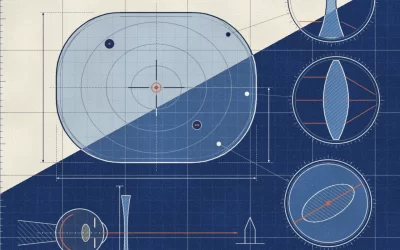
A typical aura begins as a small, bright, shimmering spot of color, usually on the left or right side of your field of vision. Within a few minutes, the spot grows larger and then slowly moves out of your field of vision. You often see sparkling dots along the edge. Other people see flashes of light, stars, zigzag patterns, or blind spots, or notice that their field of vision is temporarily narrowed. Sometimes you may also feel tingling or a loss of sensation on one side of your lips, your face, or in one hand.
Because the cause lies in the brain, you can see the aura even with one eye closed. An aura usually lasts from five minutes to an hour. This is often followed by a headache, but you can also experience an aura without a headache. If you see flashes of light in one eye, along with new dark spots or a shadow in your vision, it could also be a vitreous detachment or retinal detachment; in that case, contact your primary care physician immediately. With a TIA, symptoms often occur very suddenly, whereas an aura develops over the course of a few minutes.
What You Can Do Yourself and When to Call Your Doctor
There is no treatment for the aura itself. Stop what you’re doing and rest until the aura passes. It helps to identify what triggers an attack for you, such as stress, fatigue, lack of sleep, or hormonal fluctuations. For some people, bright lights, prolonged screen use, or intense reading can also trigger an attack. Some people find that filtered lenses, such as pink-tinted FL-41 lenses, are helpful in these situations. Read more about light-sensitive eyes and headaches caused by eye strain.
Call your primary care physician or the after-hours medical service immediately if you experience your first aura, if you lose vision in one eye, or if the aura lasts longer than an hour. This also applies if the symptoms are different from what you’re used to—for example, a dark spot with no colors—or if other symptoms suddenly appear. If you’re experiencing auras more often than usual or would like to discuss migraine treatment, talk to your primary care physician. Thuisarts.nl explains in more detail what a migraine aura is and how it develops.
Frequently Asked Questions About Ocular Migraines
If you experience your first aura, vision loss in one eye, an aura that lasts longer than an hour, or symptoms that are different from what you’re used to. If you suddenly have a drooping mouth, trouble speaking, or a paralyzed arm or leg, call your primary care physician or the after-hours medical service immediately, and call 112 if these symptoms develop within a minute.
An aura is not dangerous in itself and goes away on its own. Migraines with aura do not cause permanent damage to the eyes.
An aura usually lasts from five minutes to an hour. It is often followed by a headache, but you can also have an aura without a headache.
Yes. Because the cause is in the brain, you can still see the aura even with one eye closed. If you lose vision in one eye, contact your doctor immediately.
Do you have questions about your eyes or your glasses? You can find us at 86 Generaal Cronjéstraat in Haarlem. Call us at 023 5254 131 or schedule an appointment using the online calendar on our contact page.
This information is general in nature and is not a substitute for medical advice. Van der Geest Optiek does not currently employ an ophthalmologist or a college-trained optometrist. As certified opticians, we will examine your eyes and, if in doubt, refer you to your primary care physician. No rights may be derived from the information on this page or from any apparent errors or typos.