What is a stye?
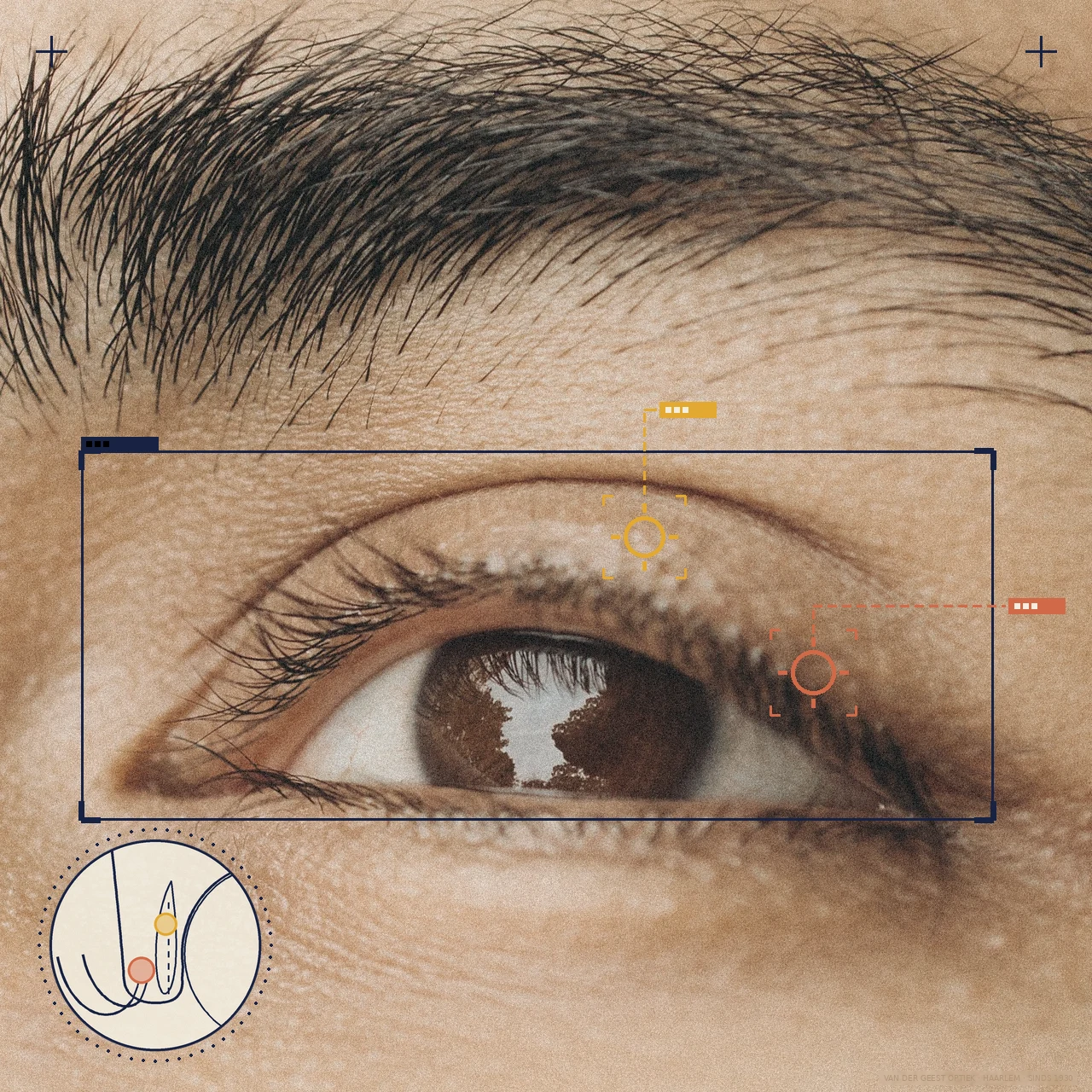
A stye is a painful, red bump on your eyelid that looks like a pimple. It often appears suddenly. Doctors call it a hordeolum. Your eyelid contains small sweat and sebaceous glands. If one of these glands becomes blocked, it can become infected by bacteria, resulting in a stye.
Usually, it’s just a small, tender bump. If the inflammation is more severe, your entire eyelid can become swollen and painful, and sometimes you may develop a fever. A stye often goes away on its own within two weeks. Once the bump bursts and the pus drains out, the pain usually goes away. It usually heals without leaving a scar.
Never squeeze a stye, and try to keep your hands off it as much as possible. Doing so can spread bacteria and make the inflammation worse. Wash your hands thoroughly before touching your eyelid. Placing a warm, clean washcloth on your eyelid can soften the skin, making it easier for the stye to open. You can read exactly how to do this on Thuisarts.nl.
Chalazion: a hard, painless bump
A chalazion looks like a stye, but it is something different. It is a hard bump in your eyelid that does not hurt and develops slowly, usually in the upper eyelid. Doctors call it a chalazion. A chalazion develops when the duct of a small oil gland in your eyelid becomes blocked. The oil cannot drain and builds up.
A chalazion is not dangerous. It often remains small, but it can grow to about one centimeter. A large chalazion can press against your eye, making it harder to see. In about half of all cases, the bump goes away on its own within six months. If the edges of your eyelids are also inflamed, this may be related to a chalazion; read more about this under blepharitis.
If a chalazion doesn’t go away on its own or is causing you significant discomfort, a doctor can remove it. This is usually done through a minor procedure under local anesthesia, involving a small incision on the inside of the eyelid. Sometimes the doctor may opt to give an injection into the lump. Your primary care physician or ophthalmologist will determine which treatment is appropriate.
Contact Lenses and When to See Your Doctor
If you have a stye and wear contact lenses, take your lenses out and wear your glasses until the bump goes away. Afterward, start with new lenses, a new lens case, and a new bottle of lens solution. With a chalazion, you can usually keep wearing your contact lenses. If it bothers you, however, take them out until the symptoms go away. If you notice that your lenses feel less comfortable afterward, make an appointment for a contact lens checkup.
Call your primary care physician if you have a stye and are experiencing severe pain, if the skin around your eye becomes swollen and painful, if you can no longer open your eye, if you develop a fever, or if the bump hasn’t gotten any smaller after two weeks. If you have a chalazion, contact your doctor if the bump becomes red and painful, if your vision is impaired, if your contact lenses no longer fit, or if the bump gets bigger or changes in appearance. If your eye itself is red and painful, call your family doctor or the after-hours medical service immediately; also read about what red eyes can indicate. We do not make diagnoses and, if in doubt, will refer you through your family doctor.
Frequently Asked Questions About a Stye
A stye is a painful, red bump that appears suddenly due to inflammation. A chalazion is a hard, painless bump that grows slowly because a small oil gland is blocked.
A stye often goes away on its own within two weeks. If the bump hasn't got smaller after two weeks, call your doctor.
No. Squeezing it can spread the bacteria and make the infection worse.
Take out your contact lenses and wear your glasses until the stye has gone. Then start with new contact lenses, a new lens case and new lens solution.
Do you have questions about your glasses or contact lenses? You can find us at 86 Generaal Cronjéstraat in Haarlem. Call us at 023 5254 131 or schedule an appointment using the online calendar on our contact page.
This information is general in nature and is not a substitute for medical advice. Van der Geest Optiek does not currently employ an ophthalmologist or a college-trained optometrist. As certified opticians, we will examine your eyes and, if in doubt, refer you to your primary care physician. No rights may be derived from the information on this page or from any apparent errors or typos.