Are you sensitive to light and experiencing eye pain or redness, or is your vision also impaired? Call your doctor or the after-hours medical service right away.
What are light-sensitive eyes?
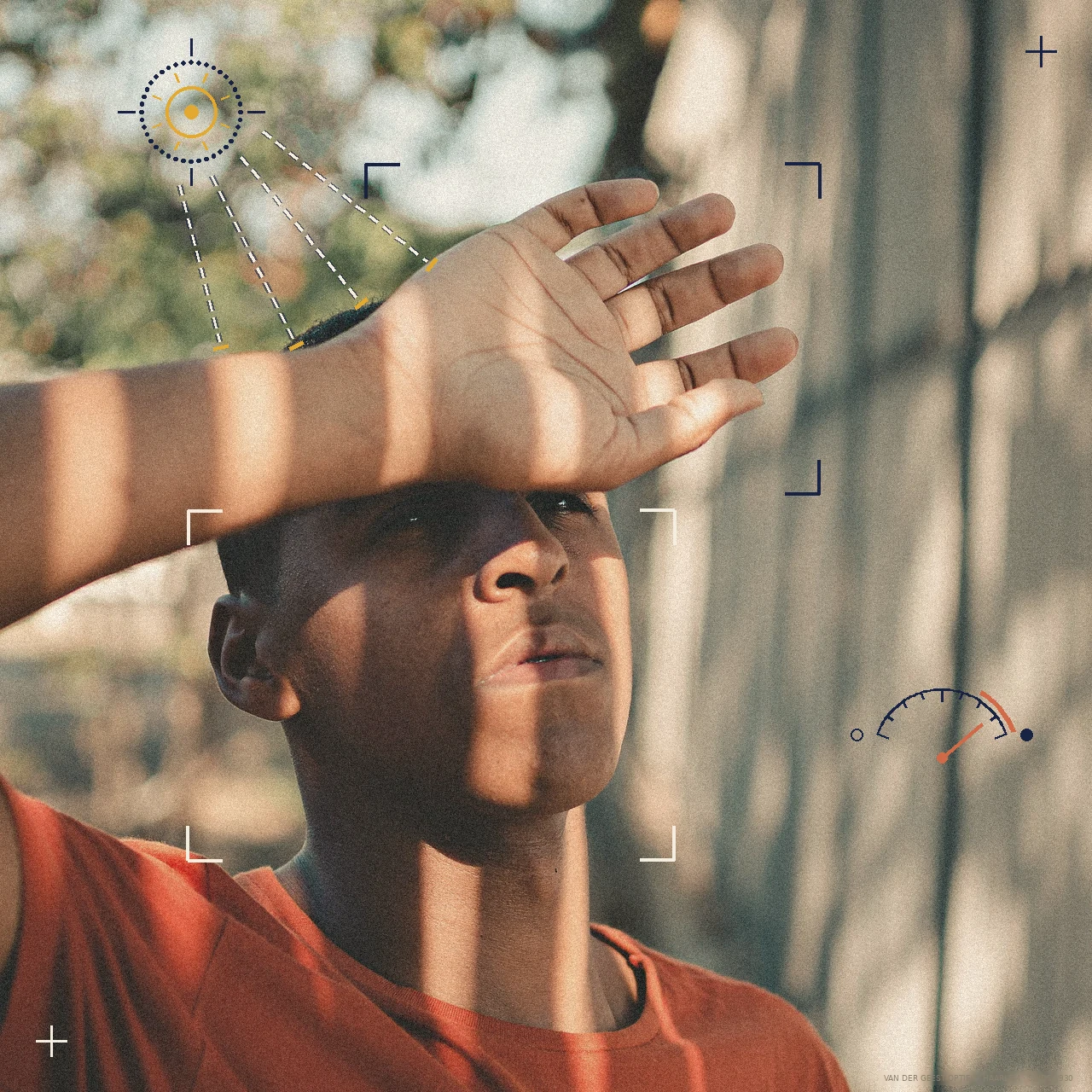
If you have light-sensitive eyes, bright light can quickly become uncomfortable. You’ll squint, your eyes will water, or you’ll seek out the shade. This can be particularly bothersome on a sunny day, in the snow, or on the water, but bright lights or headlights in the dark can also be annoying. Doctors refer to severe sensitivity to light as photophobia. How well a person can tolerate bright light varies from person to person.
That difference is partly due to the amount of pigment in your iris. People with brown eyes have a lot of pigment and are generally more tolerant of light. Those with light-colored eyes, such as blue, have less pigment and often have a harder time tolerating sunlight. If you’ve always been somewhat sensitive to light, that may simply be a natural characteristic of your eyes. However, if your eyes suddenly become much more sensitive to light, or if you experience other symptoms, it’s wise to have your doctor evaluate the situation.
Possible causes of light sensitivity
Light sensitivity can be a symptom of various eye conditions. With dry eyes, your eyes often feel burning or gritty; if you suddenly find that you can no longer tolerate light, contact your doctor immediately. With cataracts, the lens of the eye slowly becomes cloudy, which can cause bright light or headlights to be blinding and may make you see halos around lights. This can be particularly bothersome when driving at night. Many people are also very sensitive to light during a migraine attack; read more about this under “ocular migraine.”
Sensitivity to light can also be a sign of inflammation in the eye, such as in the cornea or the inner lining of the eye. In such cases, the eye is often red and painful, and vision may be blurry. Read more about eye inflammation and contact your primary care physician immediately if you experience these symptoms. Another cause is snow blindness, a temporary inflammation of the cornea caused by excessive UV radiation, such as on the slopes or while welding without protection. Symptoms typically do not appear until several hours after exposure.
Vision Aids from the Optician
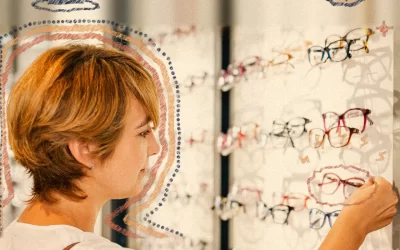
Good sunglasses labeled “100% UV” or “UV400” reduce glare and bright light and protect your eyes from UV radiation. The filter category indicates how dark the lenses are, not the level of UV protection. Category 3 is usually suitable for sunny days; you’re not allowed to drive while wearing Category 4 sunglasses. If you need prescription lenses, sunglasses can also be made with prescription lenses, tinted, or polarized. In the store, you can take your time looking at different frames and lens colors.
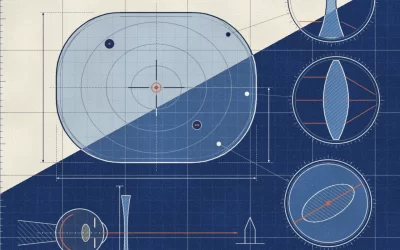
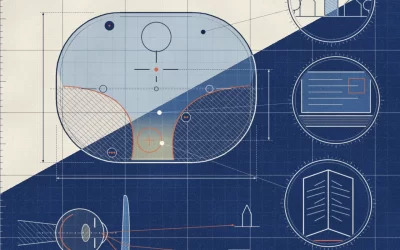
Polarized lenses primarily reduce horizontal glare, such as from water, snow, or a wet road surface. They do not, in and of themselves, provide better protection against UV radiation, and they can make it harder to read certain screens. Photochromic lenses darken outdoors and lighten indoors, but they barely darken behind a car window because the window blocks a large portion of the UV radiation. In addition, anti-reflective coatings reduce annoying reflections on your eyeglass lenses. We also offer filter lenses, such as peripheral filters that block out part of the light for people with eye conditions, and pink-tinted FL-41 lenses, which some people with light-sensitive eyes or migraines find comfortable. You can find more tips on sun protection at the Oogfonds.
Frequently Asked Questions About Light-Sensitive Eyes
Call your family doctor or the after-hours medical service right away if you can no longer tolerate light and your eye is painful or red, or if your vision has also become blurred.
That depends, among other things, on the amount of pigment in your iris. People with light-colored eyes have less pigment and often have a harder time tolerating sunlight than people with brown eyes.
Polarized lenses primarily reduce horizontal glare, such as from water, snow, or a wet road surface. They do not provide better protection against UV radiation, so be sure to look for "100% UV" or "UV400" as well.
Photochromic lenses darken when outdoors and can provide UV protection. Behind a car window, they hardly darken at all, because the window blocks a large portion of the UV radiation.
Looking for sunglasses or eyeglasses that suit your eyes? You can find us at 86 Generaal Cronjéstraat in Haarlem. Call us at 023 5254 131 or schedule an appointment using the online calendar on our contact page.
This information is general in nature and is not a substitute for medical advice. Van der Geest Optiek does not currently employ an ophthalmologist or a college-trained optometrist. As certified opticians, we will examine your eyes and, if in doubt, refer you to your primary care physician. No rights may be derived from the information on this page or from any apparent errors or typos.